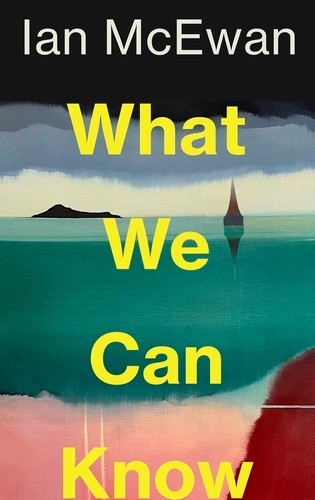
ju reviewed What We Can Know by Ian McEwan
A slow devastation
4 stars
The most fascinating aspect of this novel is the way the narrator in the first part explores the past —our present— dissecting our societies, our complacency, our selfishness, in a striking but not unkind way. The future imagined by the author takes place after the catastrophes, in a much reduced and difficult world, but not the post-apocalyptic setting that's become so boring and cliche, and by framing it this way, McEwan is able to question a lot. Yet, the fundamental question is in the title, what can we know? And what can we do with that?
The most fascinating aspect of this novel is the way the narrator in the first part explores the past —our present— dissecting our societies, our complacency, our selfishness, in a striking but not unkind way. The future imagined by the author takes place after the catastrophes, in a much reduced and difficult world, but not the post-apocalyptic setting that's become so boring and cliche, and by framing it this way, McEwan is able to question a lot. Yet, the fundamental question is in the title, what can we know? And what can we do with that?